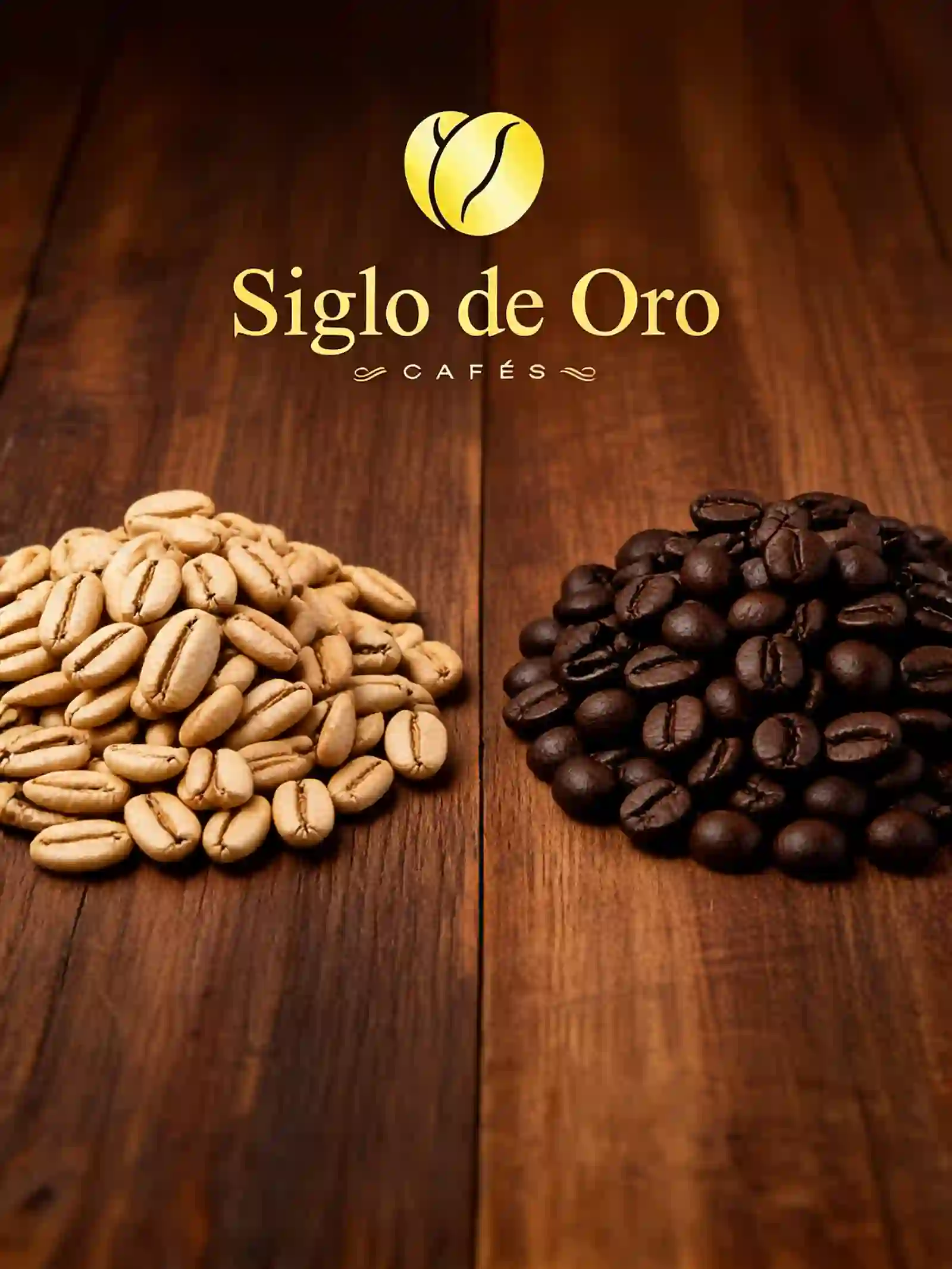
Eighty points out of a hundred and traceability back to the farm. What that score actually measures, what the label does not guarantee, and why in practice anyone can print it on a bag.
The short definition
Specialty coffee is coffee that scores above 80 points out of 100 when cupped following the Specialty Coffee Association protocol, and that can be traced back to a specific origin: a farm, a cooperative or at minimum a region.
Both halves matter equally. A coffee that scores well but which nobody can place doesn't belong in the category, because most of what underpins quality — variety, altitude, processing, farming practice — depends on being able to point at the place it came from.
What actually gets scored
Tasters assess ten attributes, and here is the part that rarely gets explained: the score doesn't measure how much you'd enjoy the coffee. It measures how free of defects it is and how much complexity it has.
- Fragrance and aroma — dry, then once wetted.
- Acidity — not whether there's a lot or a little, but whether it's pleasant and clean or sharp and sour.
- Body — the weight and texture in the mouth.
- Flavour and aftertaste — what you taste, and what remains afterwards.
- Sweetness — naturally present, with nothing added.
- Uniformity and clean cup — all five cups from the same lot taste alike, and none carries a defect.
- Balance — no single attribute steamrollering the others.
That's where the scale comes from. An 80 is a sound coffee with no defects; 85 is genuinely good; above 90 you're into exceptional and expensive lots, of which only a few sacks exist each year.
What the label does NOT guarantee
Worth saying plainly: "specialty coffee" is not a protected designation. There is no inspection, no compulsory register and no penalty for printing it without having cupped anything.
The score is awarded to the green coffee, at origin, before roasting. A bad roast can ruin an 86-point coffee, and the bag will still say "specialty".
Put another way: the score describes the potential of the bean, not what ends up in your cup. In between sit the roast, how long ago it was roasted, and how you brew it.
How to check for yourself
Since the label isn't enough, four signals that are:
- A printed roast date. The single most useful check and the easiest to make. Without it, nothing else on the bag counts for much.
- A specific origin. Region, farm or cooperative. If it only names the country, there's no traceability behind it.
- Variety and process. Caturra, Bourbon, Geisha; washed, natural, honey. Their presence tells you the seller knows what they're handling.
- A price that makes sense. Specialty coffee costs more to produce and more to buy at origin. Commodity pricing with a specialty label usually means the label is the part that's wrong.
Why it costs more
It isn't margin, it's cost structure. Picking is done by hand and in multiple passes, taking only ripe cherry, rather than stripping the tree mechanically. Processing and drying are controlled lot by lot. Volumes are small, so there's no economy of scale. And the producer is paid above the commodity price, which is part of the point.
All of that accumulates before the beans reach a roastery at all.
Where the definition is heading
A note for anyone following the industry closely: the sector itself has been acknowledging that reducing a coffee to a single number has limits. The SCA has spent several years developing broader evaluation frameworks that separate sensory description from quality judgement and factor in context — not every coffee is aiming at the same thing or destined for the same use.
For a buyer, the practical reading is that the score is a reference, not a verdict. An 84-point coffee that matches what you like will do more for you than an 88 that doesn't.
And in the cup
The difference against commercial coffee shows up in two things above all: there is natural sweetness without adding sugar, and you can pick out specific flavours rather than a general "tastes of coffee". That's the way in; from there, the guide to tasting notes helps you put names to what you're noticing.
If you want to see how coffee is formally assessed, we cover it in the article on cupping. And if you're in the province, specialty coffee in Almería explains where to buy it and what to look for. Our range is in the shop.