
Whole bean coffee for a bean-to-cup machine
A bean-to-cup machine grinds, tamps and extracts by itself. That gives you capsule convenience at whole-bean cost, but it also means the coffee has to get along with a grinder you can't adjust as much as you'd like.
Avoid very oily beans
This is the most important tip and the one least often given. Very dark roasts bring oils to the surface of the bean, and those oils gum up the hopper and clog the grinder of a bean-to-cup machine.
If the beans glisten and leave your hand greasy, they aren't for this machine. Look for medium and medium-dark roasts with a matt or barely shiny surface.
How much you save against capsules
A kilo of beans at €30.99 gives around 125 doses of 8-gram espresso: about €0.25 per cup. A specialty capsule runs at around €0.65.
At two coffees a day, the difference is roughly €290 a year. That's why a bean-to-cup machine pays for itself quickly if you're coming from capsules.
Buy what you'll finish in a month
A machine's hopper invites you to fill it and forget, but the beans sit exposed to light and air in there. Add only what you'll use in a few days and keep the rest sealed.
And work out your real consumption: two coffees a day is about 500 g a month. Buying two kilos because the price was better means drinking the last of it four months after roasting.
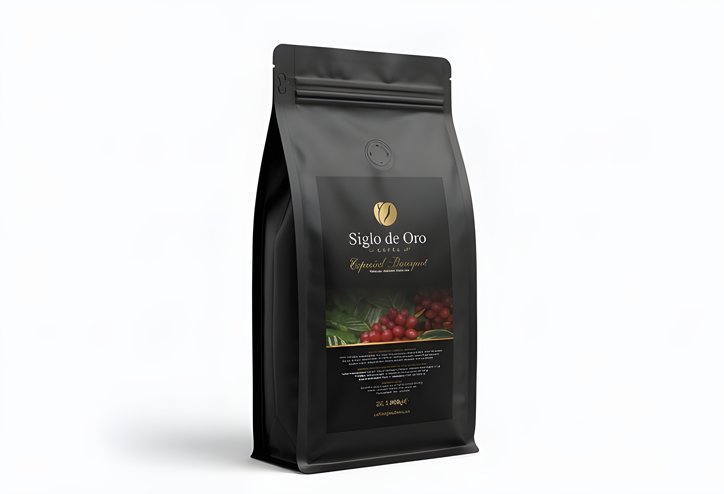
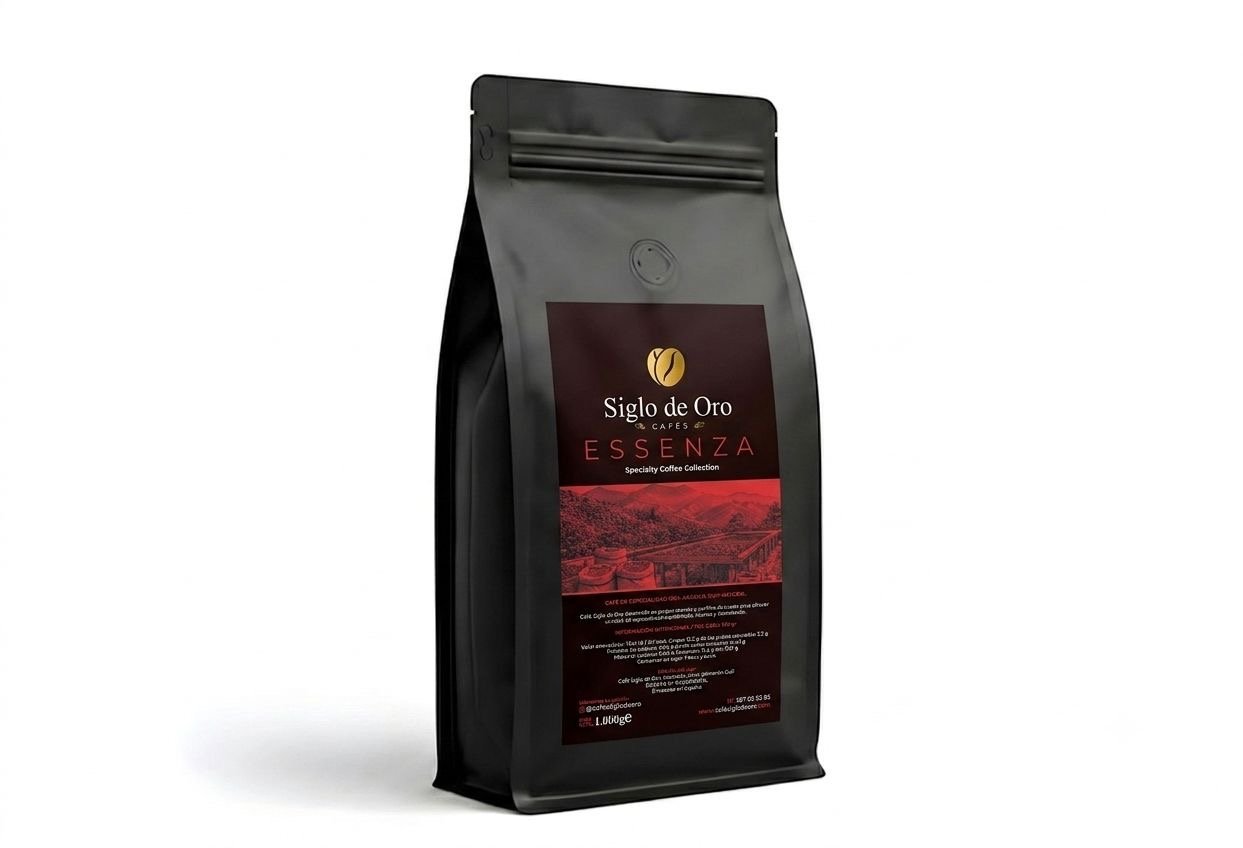
Freshly roasted in Almería and shipped within 24-72 hours.