A coffee having "notes of raspberry" does not mean anything was added. Where those flavours actually come from, why processing matters as much as origin, and how to train your nose.
Nobody added raspberry
Let's start with the most common confusion. When a bag says "notes of raspberry and chocolate", it doesn't contain added aromas or flavourings.
What happens is that coffee generates hundreds of aromatic compounds during roasting, and some are literally the same ones present in those fruits. Your brain recognises them and files them where it can. It isn't marketing poetry: it's shared chemistry.
So tasting notes are descriptions, not ingredients. And they may not match what you perceive, which depends on your own olfactory memory.
Where the flavours come from
Four sources, and knowing which dominates helps you choose better:
1 · The variety. Genetics set the aromatic ceiling. A Geisha has a floral potential a Catimor will never reach. It's covered in the varieties guide.
2 · Terroir. Altitude, soil, climate. Altitude is especially decisive: in cooler conditions the fruit ripens more slowly, accumulates more sugars and develops more acidity. Hence high-grown coffees being more complex.
3 · Processing. The most underestimated factor, and often weighs more than origin.
4 · The roast. It can reveal all of the above or bury it completely. A dark roast mostly tastes of roast, wherever the bean came from.
Processing changes coffee more than you'd think
The same bean from the same farm gives radically different cups depending on how the pulp is removed from the cherry:
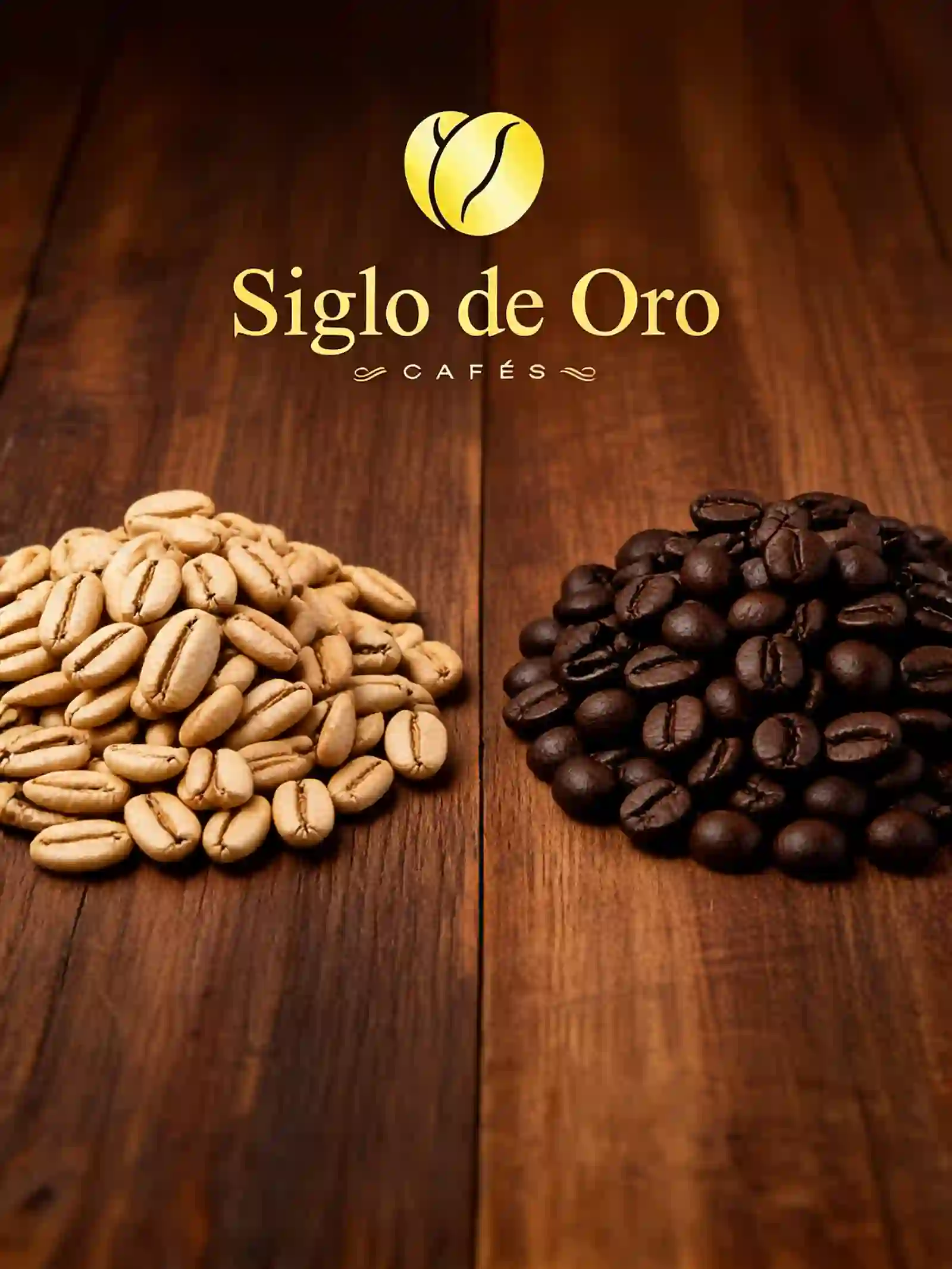
- Washed. All the pulp is removed before drying. Clean cup, defined acidity, the origin clearly visible. It's the classic Colombian process.
- Natural. The bean dries inside the whole cherry. The fruit sugars permeate the bean: much sweeter, fruitier, with strawberry, blackberry or wine notes. More intense and less clean.
- Honey or semi-washed. The skin is removed but some mucilage left on. It sits in between: the body of a natural with some of the clarity of a washed.
Try a washed and a natural from the same origin side by side and the difference is so large it's hard to believe it's the same coffee. It's probably the most revealing experiment available to a beginner.
The aroma families
The SCA flavour wheel organises more than a hundred descriptors. The families you'll meet most:
- Fruity — red (cherry, raspberry), citrus (orange, lemon, bergamot), tropical (mango, passion fruit), stone (peach). A sign of good acidity, usually from altitude.
- Sweet — caramel, unrefined sugar, honey, molasses. They appear with medium roasting and indicate well-ripened cherry.
- Cocoa and nuts — dark and milk chocolate, hazelnut, almond. Very typical of medium and medium-dark roasts.
- Floral — jasmine, rose, orange blossom. The hardest to find and the most prized. Ethiopia is their territory.
- Spiced and roasted — cinnamon, clove, tobacco, wood. They appear as the roast darkens.
And the ones that signal a problem: earthy, mouldy, cardboard, rubber. Those are defects, not styles.
How to train your nose
Flavour perception is mostly smell, and smell is trained through memory and comparison. Three exercises that work:
Taste two coffees at once. This is the only essential one. In isolation almost nobody picks out nuance; in parallel the differences appear by themselves. Choose two very different origins to begin with.
Smell things deliberately. When you cook, stop and consciously smell the cinnamon, the orange peel, the toasted almond. You can't recognise an aroma in coffee that you haven't filed away.
Taste the same coffee as it cools. At 70 °C, at 50, and at room temperature. You'll notice flavours emerging that were masked when it was hot — and the sweetness becoming far more obvious at the end.
Don't worry about getting it right
There is no correct answer. If it reminds you of toast and the bag says hazelnut, your perception isn't wrong: you have a different olfactory memory.
What's useful is to describe it in your own words and be consistent with yourself. That's where you genuinely begin telling one coffee from another, which is the point.
The formal protocol is in the cupping article, and what separates specialty coffee from the rest, in this guide. If you already know which profile you like, go straight there: coffee with chocolate notes or fruity coffee. And to taste side by side you need two origins: they're in the shop.